

What to Do When Your Drain Keeps Blocking (And Why It Keeps Coming Back)
What It Means When Your Drain Keeps Blocking
A one-off blockage can happen to any home. A recurring blocked drain is different. When the same drain keeps clogging—especially within weeks—it typically indicates:
- A partial obstruction that was never fully removed
- Damage or misalignment inside the pipe
- External factors (like tree roots or ground movement)
- Ongoing misuse that accelerates buildup
In short, repeated blockages are a symptom, not the root problem.
Common Reasons a Drain Keeps Blocking
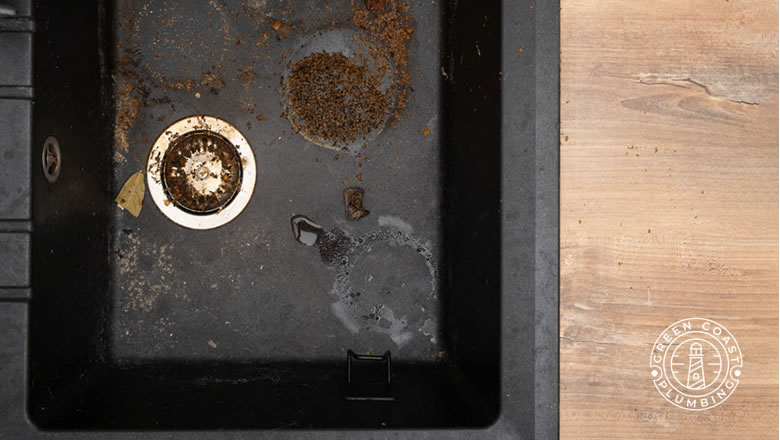
Built-Up Grease, Soap, and Debris
In kitchens and bathrooms, grease, soap scum, and hair stick to pipe walls. Over time, this narrows the pipe until even normal water flow causes a backup. Hot water and chemicals may push through briefly, but they don’t remove the hardened buildup.
Tree Roots in Sewer or Stormwater Pipes
Tree roots naturally seek moisture. Small cracks or joints in underground pipes let roots in, which then expand and catch debris. This is a leading cause of repeat blockages—especially in older properties and coastal areas.
Damaged or Misaligned Pipes
Cracked pipes, collapsed sections, or poor pipe fall (slope) can trap waste. Even after a blockage is cleared, debris collects again at the same weak point, causing the drain to block repeatedly.
Flushing the Wrong Items
“Flushable” wipes, paper towels, sanitary items, and food scraps don’t break down like toilet paper. They snag on pipe imperfections and create recurring clogs.
- Primis potenti habitasse vehicula. In elit lectubcbs, maxim uaro mauris.
- Phasellus facilisis ligula cquat ulies.
- Aliqugdam vestibulum magna quis stibulum fermentum dictum.
- Sed in arcu eget ipsum luctus irdiet erase nt non.
- Fermentum dictum aliqugdam vestibulum magna quis stibulum.
“Facilisi mollis fermentum malesuada felis malesuada vulputate feugiat.Semper eros neque hendrerit netus duis tempor. Nulla accumsan nulla sollicitudin dictum eleifend. Donec facilisis nulla et enim feugiat luctus. “
Jehovah Perfecto – CEO
Why DIY Fixes Rarely Stop Repeat Blockages
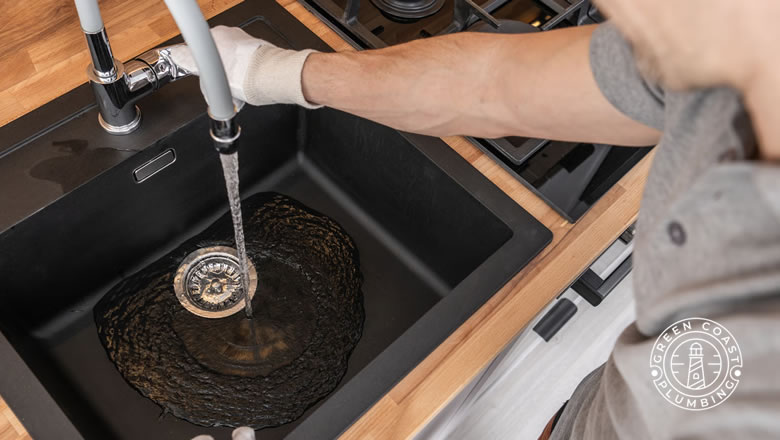
Plungers and chemical cleaners address the immediate symptom—standing water—but not the cause.
Chemical drain cleaners often leave residue, can damage pipes, and don’t remove solid obstructions like roots.
Plunging may shift debris temporarily without clearing the line.
Repeated DIY attempts can delay proper diagnosis, increasing the risk of pipe damage and higher repair costs later.
If your drain keeps blocking, repeated DIY fixes usually mean the underlying issue is getting worse.
What to Do Immediately When a Drain Keeps Blocking
Stop using the affected fixtures to prevent overflow or sewage backup.
Avoid repeated chemical treatments—they can harm pipes and complicate professional repairs.
Note the pattern: which drains are affected, how often it happens, and whether rain makes it worse.
Get the cause checked, not just the blockage cleared.
These steps reduce damage and help a plumber diagnose the problem faster.
How a Plumber Finds the Real Cause of Repeat Blockages
Professional diagnosis focuses on why the drain blocks—not just restoring flow.
CCTV drain inspections locate roots, cracks, collapses, or buildup inside the pipe.
High-pressure water jetting removes hardened debris and roots more effectively than basic clearing.
Targeted repairs address damaged sections so the blockage doesn’t return.
This approach prevents repeat call-outs and ongoing inconvenience.
When to Call a Plumber for a Recurring Blocked Drain
Call a licensed plumber if you notice any of the following:
Blockages returning within weeks
Multiple fixtures backing up at once
Gurgling sounds or sewage smells
Overflow during heavy rain
Water backing up outside (gully trap or inspection point)
These signs suggest a deeper issue that won’t resolve on its own.
How to Prevent a Drain From Blocking Again
While no system is maintenance-free, you can reduce the risk of repeat blockages by:
Keeping grease, wipes, and food waste out of drains
Using drain strainers in sinks and showers
Scheduling inspections for older properties or homes with trees near sewer lines
Addressing slow drainage early—before it becomes a full blockage
Prevention is about early action, not constant repairs.